
Timing
When precipitation timing is off by hours, operations plan around the wrong window
Routes are planned too early or too late

AccuWeather delivers forecast data with proven Superior Accuracy™, so you can anticipate conditions along any corridor, act earlier, and avoid unnecessary cost.
Most transportation and logistics systems already incorporate weather. But those inputs often fail in the moments that matter most
When precipitation timing is off by hours, operations plan around the wrong window
Routes are planned too early or too late

Weather forecasts are not all equal — and inaccurate inputs lead to bad calls
Unnecessary reroutes, missed disruptions, and avoidable delays

Most weather sources don’t provide enough lead time before severe weather impacts a corridor
Operations teams are forced to react after the window to act has already closed

Weather data isn’t connected to existing operational workflows
No automated action when conditions change — decisions fall on individuals to catch and respond
This is not a lack of weather data, it is a lack of decision-ready inputs
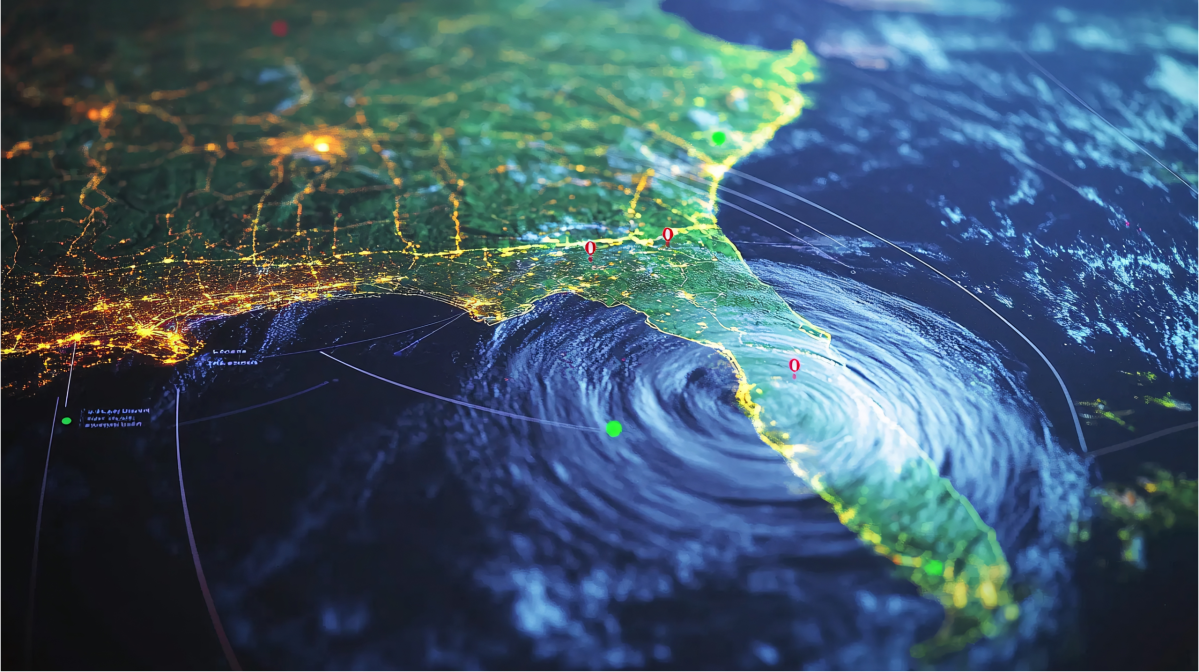
Forecasts covering fog, ice, high winds, and visibility restrictions identify hazardous corridors before departure — so carriers reroute before disruption, not during it.
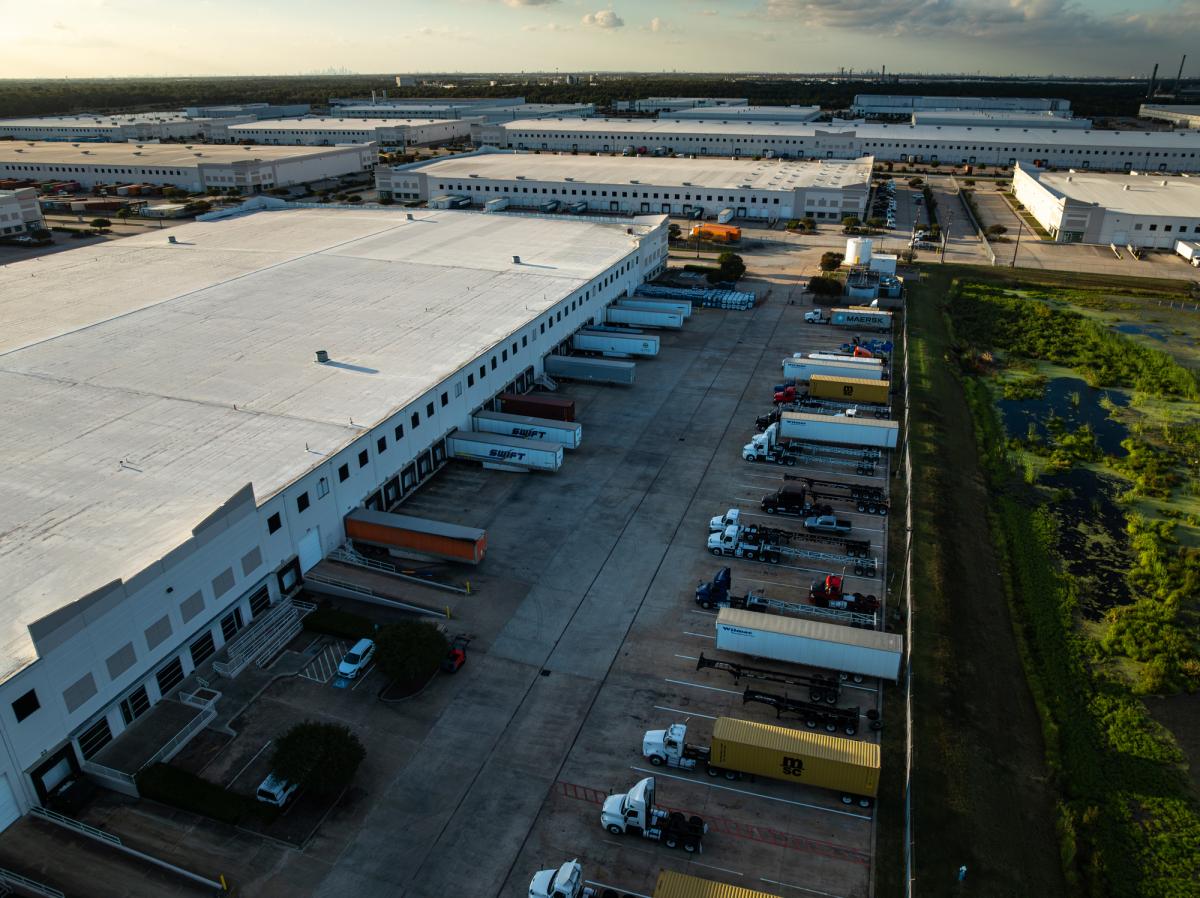
Forecast data flags at-risk distribution regions — triggering proactive reroutes from unaffected warehouses and recovery plans before cargo is stranded mid- transit.

Incoming weather signals demand shifts before they hit, so inventory is pre- positioned to match forecast-driven surges — reducing stockouts and emergency replenishment.

Forecasts signal when inclement weather will simultaneously reduce driver supply and spike demand — enabling dynamic pricing and pre-scheduled capacity before conditions hit.

Weather-aware dispatch prevents fleets from being grounded or mispositioned by avoidable conditions. Headwind, temperature, and road-condition forecasts feed fuel-consumption planning ahead of trips.
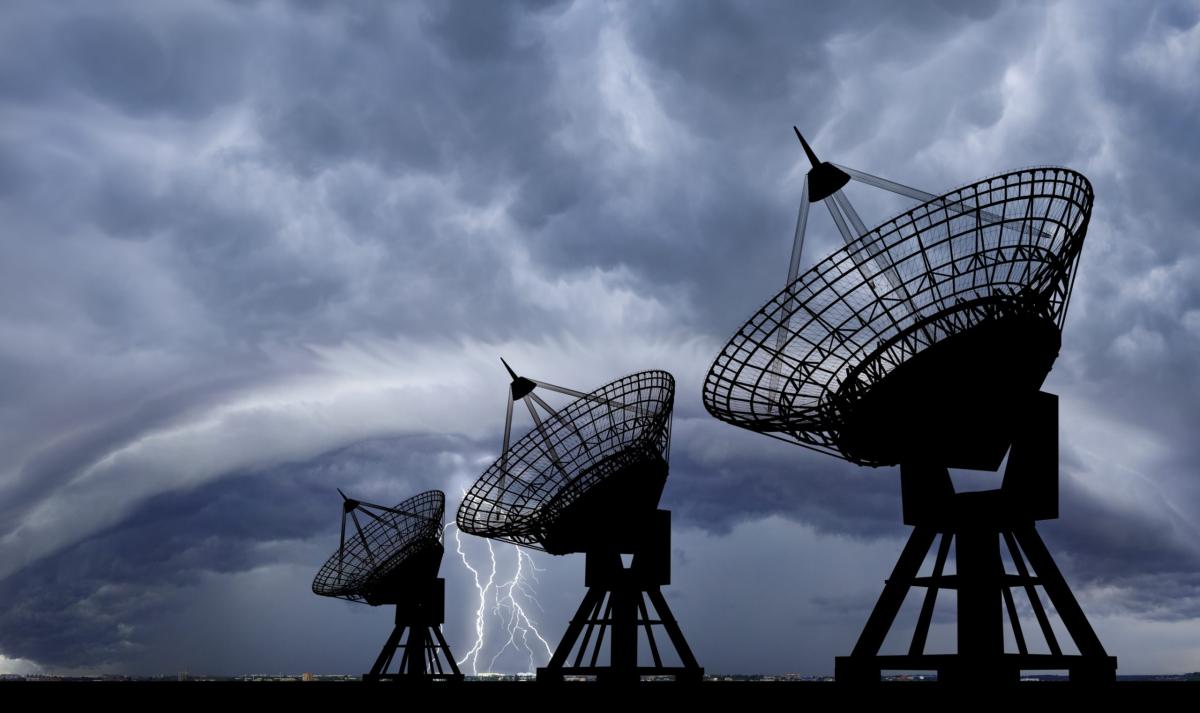
Real-time alerts for icing, flooding, high winds, and extreme heat give dispatchers and crews the lead time to hold, reroute, or stand down — turning weather awareness into risk-managed decisions.

Higher confidence in weather-dependent decisions.

Weather aligned to where operations actually occur.

Forecasts structured for operational action, not interpretation.
AccuWeather’s weather intelligence helps transportation organizations improve:
Because small improvements in forecast accuracy lead to large improvements in operational outcomes.
These are not weather improvements, they are decision improvements

Most providers would have alerted closer to impact. AccuWeather enabled action before the window closed.
Read the Full Case StudyChoose how you'd like to explore AccuWeather for Business — request a demo, talk to our team, or start building with our developer tools.